Safe Video Introductions for Healthcare Singles
A step-by-step guide to short video introductions, consent, privacy, scam awareness, room exits, and mutual follow-up after healthcare speed dating.
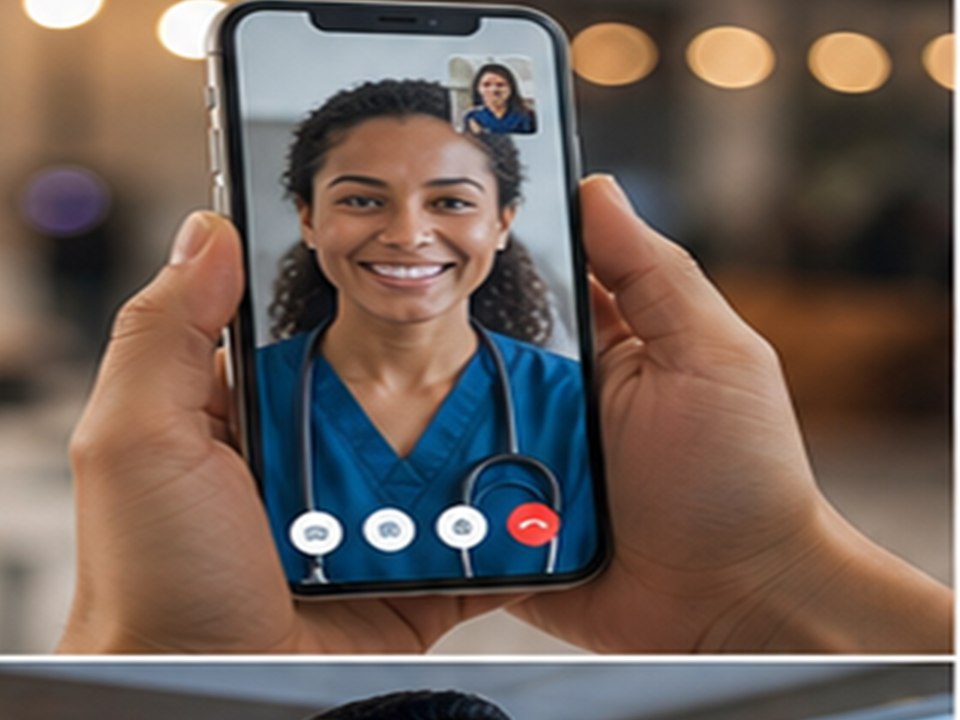
A short video introduction can answer a question that photos and text cannot: does conversation feel comfortable enough to continue? It should be an optional bridge between messaging and an in-person date, not a demand for access to someone's home, workplace, or private schedule.
Define the purpose before joining
A useful introduction has a clear length and goal. Three to five minutes is enough to confirm that both people can communicate comfortably, understand the basic dating intention, and decide whether to connect again. It is not enough time for credential interrogation, pressure to move off-platform, or an argument about why someone will not reveal a workplace.
Prepare the camera frame
- Use a neutral personal space rather than a patient-care area.
- Remove badges, mail, calendars, charts, medication labels, and employer information from view.
- Use headphones if other people are nearby.
- Check lighting and camera permissions before entering the room.
- Keep the exit control visible and easy to reach.
Consent is active throughout the call
Joining a video room is consent to that conversation, not consent to recording, screenshots, explicit requests, or contact outside the app. Either person should be able to end the session immediately. Leaving must close the video connection and update the room state so minutes are not consumed after the interface disappears.
Recording should never be assumed. If a platform supports recording for a specific moderated event, it needs an explicit disclosure and a separate agreement before the camera session begins.
Use prompts that reveal compatibility safely
Watch for pressure patterns
Scammers often try to move a conversation away from the original platform, create urgency, avoid normal verification, or introduce requests for money. The Federal Trade Commission advises people not to send money or gifts to an online love interest they have not met. The FBI also recommends going slowly, asking questions, and being cautious when someone repeatedly avoids meeting.
Read the FTC romance scam guidance and the FBI romance scam guidance. Report concerning behavior inside the app as well as through the relevant official channel when appropriate.
End the room cleanly
A finished call should stop camera and microphone access, disconnect from the room, stop the usage timer, and clear any stale participant status. The interface should confirm that the room was left. If a connection drops, the backend should expire the session rather than showing two people indefinitely.
Follow up only after mutual interest
Speed dating works best when each person answers privately. If both choose to reconnect, the app can open messaging or offer a Shift Report icebreaker. If one person declines or does not answer, no connection should be created and neither person's choice should be exposed.
A respectful closing line
"Thanks for meeting me. I am going to use the private follow-up button after the room, so neither of us has to answer on camera."
Video introduction checklist
- Confirm camera, microphone, lighting, and the exit button.
- Use a background that protects work and home details.
- Do not record or capture the screen without explicit permission.
- Leave when conversation becomes pressuring, explicit, or financially focused.
- Use private mutual follow-up instead of demanding an immediate answer.
Editorial approach
This guide provides practical dating and privacy education for adults in healthcare. It is not medical, legal, employment, or licensing advice. Official sources are linked where a regulatory or scam-prevention topic is discussed. Corrections can be sent through the Nurse Singles contact page.
Meet around real healthcare schedules
Create a profile with role, shift, privacy, and dating-intention controls.
Open Nurse Singles Explore Nurse Hub